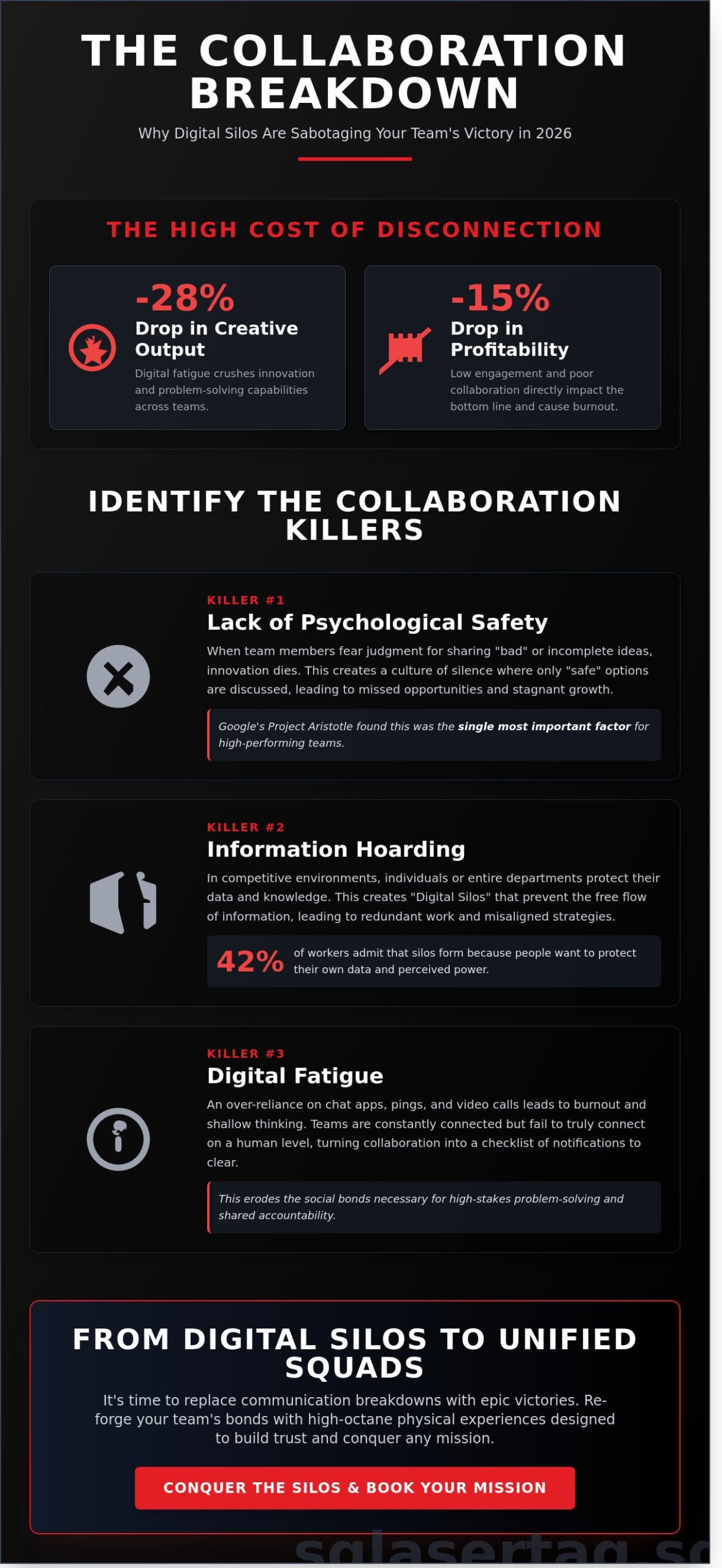
Your expensive suite of collaboration software is likely doing more harm than good. In fact, 2024 research from Singaporean workplace analysts indicates that digital fatigue has led to a 28% drop in creative output across local SMEs. You already feel the drag of endless pings and the heavy silence of a team that has lost its social spark. It’s time to ditch the lag and master how to improve team collaboration with a high-energy strategy designed for the 2026 landscape. We’re handing you the ultimate action plan to turn individual contributors into a unified, unstoppable force. You will learn battle-tested tactics that replace communication breakdowns with epic victories and faster problem-solving across every department. We’ll show you exactly how to integrate high-impact social connections into your workflow to ensure your next mission is a total triumph. Let’s get your team ready for the win!
Key Takeaways
- Break through “Digital Silos” and rediscover the human connection required to turn individual contributors into a unified, high-performance squad.
- Learn the science of psychological safety to build an elite foundation of trust that empowers your team to conquer any challenge.
- Discover exactly how to improve team collaboration with five tactical strategies designed to clarify mission objectives and define expert roles.
- Find the ultimate balance between digital communication tools and high-octane physical experiences to maximize group problem-solving.
- Put your skills to the test with intense tactical missions like Capture the Flag to forge lasting bonds and secure your team’s victory.
What is Team Collaboration and Why is it Failing in 2026?
Success in the 2026 workplace isn’t about solo players. It’s about the squad. At its core, What is Team Collaboration involves the active sharing of skills, knowledge, and diverse perspectives to conquer a unified mission. It’s the fuel that powers every epic victory. However, many Singaporean firms are hitting a wall. The “Digital Silo” phenomenon has taken over. Teams communicate via endless pings and chat apps but fail to connect as humans. They’re clicking buttons, not building bonds. This lack of real connection turns a high-performance team into a group of isolated workers.
The stakes are higher than ever. Poor collaboration isn’t just annoying. It’s expensive. Research from 2024 indicates that companies with low engagement see a 15% drop in profitability and a massive spike in employee burnout. In the fast-paced Singapore market, stagnant innovation means you’re left behind. Understanding these barriers is the first step in learning how to improve team collaboration for your business. In 2026, hybrid work demands more intentional, high-energy bonding to keep the spirit alive. You can’t rely on accidental meetings anymore. You have to plan for success.
The Difference Between Teamwork and Collaboration
Don’t confuse the two. Teamwork is like a relay race where individual tasks contribute to a whole. You pass the baton and move on. Collaboration is the co-creation of solutions through constant feedback and shared brainpower. It’s messy, loud, and brilliant. To achieve an epic victory, your team needs both. You need the structure of teamwork and the creative blast of collaboration to win the market battle. When your crew collaborates, they don’t just finish the job. They reinvent it.
Identifying the ‘Collaboration Killers’ in Your Office
Why is the mission failing? Look for these three killers. First, a lack of psychological safety. If employees fear sharing “bad” ideas, innovation dies on the spot. Second, information hoarding. In competitive corporate environments, 42% of workers feel that silos develop because people want to protect their own data. Finally, digital fatigue is real. Over-reliance on chat apps kills deep thinking. If you want to know how to improve team collaboration, you must replace these killers with high-octane interaction and trust.
In 2026, the battlefield has changed. We’ve moved past simple remote work into a complex hybrid reality. This shift requires a tactical reset. You can’t rely on “water cooler moments” that don’t happen anymore. You need a strategy that brings the heat back to the team. When you prioritize human connection over just clearing tickets, you build a resilient force ready to conquer any challenge. It’s time to stop the silos and start the blast.
The Science of the Squad: Building Trust and Psychological Safety
Trust isn’t a soft skill; it’s a tactical necessity. High-performing squads don’t just happen by accident. They’re built on a foundation of mutual reliance and security. A 2012 Google study titled Project Aristotle analyzed 180 teams and discovered that psychological safety was the single most important factor for success. If you’re looking for how to improve team collaboration, you must focus on the science of trust. It’s the difference between a group of individuals and a unified force ready to conquer any challenge. When teammates trust each other, they spend less time protecting their reputation and more time solving problems.
The 5 Pillars of a Collaborative Culture
- Open Communication: Ditch the long, winding emails. Create channels for real-time, honest feedback. Speed is your ally in the modern Singaporean market.
- Shared Accountability: Move from “my task” to “our mission.” When one person misses a target, the whole squad recalibrates to cover the gap.
- Diversity of Thought: Different perspectives are a tactical advantage. They help catch blind spots that a homogenous group would miss. To see how these multicultural foundations are established early on, you can discover Learning Explorer and their guide to specialized early-childhood education in Singapore.
- Safety First Mindset: Build digital and physical spaces where “bad ideas” are welcomed during brainstorming. Innovation requires the freedom to fail.
- Goal Alignment: Ensure every team member knows exactly what victory looks like. Clarity prevents wasted energy.
How to Foster Radical Transparency
Leaders must lead the charge by modeling vulnerability. Admit when a strategy fails; it gives your squad permission to be honest about their own hurdles. Learning how to improve team collaboration requires implementing “Post-Mission” debriefs after every major project. These retrospectives focus on the “what” and “how” rather than the “who.” This keeps the energy focused on growth. Use active listening drills to ensure every voice is heard before a final decision is made. Psychological safety is the belief that one will not be punished for making a mistake.
Stop booking boring seminars that put people to sleep. 100 meetings won’t build the bond that a single shared mission creates. Real trust is forged in the heat of action. Tactical play forces teams to communicate under pressure and rely on each other’s strengths. It’s about winning together. You can build this elite level of trust by taking the team out of the office and into a high-energy environment. This creates lasting memories and stronger bonds than any PowerPoint presentation ever could. When your team conquers a mission together, they return to the office as a synchronized unit.
Digital vs. Physical: Finding the Right Collaboration Balance
Digital tools like Asana, Slack, and Microsoft Teams are the engines of the modern Singaporean office. They manage tasks with precision. They keep deadlines visible. But relying solely on software is a mistake. To truly understand how to improve team collaboration, you must balance digital efficiency with physical connection. Software handles the logistics, but physical interaction builds the spirit. You need both to win the workplace battle.
When Digital Tools Aren’t Enough
Slack threads often spiral into confusion. A simple question turns into a 40-message chain that wastes time. Without non-verbal cues, messages are easily misread. This creates unnecessary office tension. Research shows that 93 percent of communication is non-verbal. You lose that behind a screen. Forced Zoom fun sessions usually fail because they feel like another meeting. Teams need more than a gallery view to bond. They need shared experiences that feel authentic and high-energy.
The Power of Experiential Team Bonding
Step away from the desk and get into the action. Active play, like corporate laser tag or archery tag, breaks down rigid office hierarchies. In the heat of a mission, titles don’t matter. The junior executive and the department head must communicate instantly to survive the round. This builds raw, unfiltered trust. Physical movement triggers a cognitive shift. It lowers cortisol and releases adrenaline, which cements shared victories in the brain. These memories last much longer than a group chat. For inspiration on your next outing, see The Ultimate Guide to Corporate Team Building Activities in 2026.
The secret is a Hybrid Collaboration model. Use your digital stack for the daily grind. Use physical events to recharge the team’s batteries. A 2024 workplace survey in Singapore found that teams engaging in quarterly physical activities saw a 20 percent boost in project delivery speed. Movement clears mental blocks. It turns a group of employees into a unified force. Master how to improve team collaboration by getting your team out of their chairs and into the game.
- Digital Tools: Use these for task tracking, file sharing, and status updates.
- Physical Events: Use these for conflict resolution, rapport building, and stress relief.
- The Result: A high-performance culture that balances logic with heart.
Don’t let your team stagnate in front of monitors. Combine the best of tech with the power of play. When you bridge the gap between the screen and the field, you create an unstoppable workforce. It’s time to stop just talking about teamwork and start living it.
5 Tactical Strategies to Improve Team Collaboration Immediately
Stop overthinking and start acting. If your team feels like a group of individuals rather than a unified squad, you’re losing ground to the competition. Real collaboration doesn’t happen by accident; it’s built through tactical precision and clear objectives. When you understand how to improve team collaboration, you transform a sluggish office into a high-octane mission control center. Use these five strategies to boost your squad’s performance right now.
Setting SMART Collaborative Goals
Vague targets lead to missed shots. Every mission needs SMART objectives: Specific, Measurable, Achievable, Relevant, and Time-bound. According to a 2023 Gallup report, teams with high goal clarity see a 20% increase in overall productivity. Align individual KPIs with the team’s broader mission so every person knows how their effort contributes to the win. A shared mission acts as the north star that guides all collaborative effort. Without this, your team is just running in circles.
Improving Communication Flow
Cut the noise and focus on the signal. Eliminate “Meeting Bloat” by replacing long, aimless boardroom sessions with targeted 15-minute huddles. Establish a “Communication Manifesto” that dictates exactly when to send an email and when to pick up the phone. For teams seeking to enhance their professional language proficiency, English Explorer provides the training necessary to ensure every message is clear and impactful. Don’t forget the power of “Side-Quest” socializing. Encouraging informal networks within your Singapore office builds the trust necessary for high-stakes projects. It’s about creating a seamless flow of information that keeps everyone in the loop without slowing them down.
- Establish Clear Mission Objectives: If the squad doesn’t know where the goal is, they can’t collaborate to reach it. Set the target and make it visible to everyone.
- Define Roles and Specialisations: Ensure everyone knows their tactical position on the field. Whether they’re the “Sniper” handling data or the “Medic” managing client relations, role clarity prevents friendly fire.
- Create ‘Cross-Functional’ Strike Teams: Break down silos by mixing departments for specific short-term projects. This forces fresh perspectives and destroys the “us vs. them” mentality between departments.
- Reward Collaborative Wins: Change your incentive structure to favor the squad. A 2024 Salesforce study found that 86% of employees cite a lack of collaboration for workplace failures. Stop rewarding only the “Individual Heroes” and start celebrating the collective victory.
- Step Out of the Office: Change the environment to spark fresh ideas. Use mobile team-building setups to bring the battlefield to your doorstep. A change in scenery breaks routine and builds real bonds.
Ready to turn your staff into a high-performing strike team? Book the ultimate laser tag experience today and watch your team conquer every challenge together!
Conquer the Silos with DUX Corporate Laser Tag Missions
Forget the stale conference rooms and dry PowerPoint slides. If you want to see how your team actually works under pressure, you need to put them on the battlefield. DUX Laser Tag Singapore transforms any space into a high-stakes arena where the goal isn’t just to win, it’s to survive and thrive together. This immersive experience is a masterclass in how to improve team collaboration through action rather than theory. When the infrared beams start flying, silos vanish and real communication begins. It’s fast, it’s intense, and it’s exactly what your office culture needs.
Our tactical game modes, such as Capture the Flag and VIP Protection, are designed to break down internal barriers. In a VIP Protection mission, a single lapse in coordination leads to immediate failure. Your team must synchronize their movements, assign roles, and maintain constant verbal contact. It’s an adrenaline-fueled environment where 85% of participants report a clearer understanding of their colleagues’ communication styles after just one session. We bring the mission directly to your doorstep. Our mobile setup allows us to transform your Singapore office, a local park, or a rented warehouse into a custom combat zone. We provide the blasters, the inflatable bunkers, and the mission briefings so you don’t have to lift a finger.
Why Tactical Play is the Best Teacher
Success in our missions requires real-time strategy. Teams must adapt to changing battlefield conditions instantly, just like they would during a sudden shift in market trends. This fast-paced environment helps identify natural leaders who stay calm and direct others during high-energy play. For those looking for more structured educational outcomes, check out The Ultimate Guide to School & MOE Laser Tag Programmes in Singapore to see how we adapt these lessons for different groups. Every mission concludes with a professional debrief. Our facilitators help your crew translate “game lessons” into actionable workplace strategies, ensuring the victory lasts long after the blasters are packed away.
Seamless Event Facilitation for Busy Managers
Planning a corporate event shouldn’t be a second job. We handle the end-to-end logistics, from equipment calibration to setting up tactical bunkers. Whether you’re a startup with 12 employees or a massive MNC with a headcount of 500, our packages are fully customisable to fit your specific needs. We’ve seen how to improve team collaboration through active play, often resulting in a 40% increase in team engagement scores for companies that swap traditional dinners for active missions. Ready to blast through the silos? Book your ultimate corporate mission today!
Ignite Your Squad’s Potential for 2026
Mastering how to improve team collaboration in 2026 requires more than just a new software subscription. It demands a culture of psychological safety and a strategic balance between digital efficiency and physical connection. Since 2014, DUX Laser Tag has mastered the art of building high-performance squads through immersive, adrenaline-pumping missions. With over a decade of team-building expertise, our professional facilitators specialize in corporate scenarios designed to crush silos and build instant trust. We take care of every detail with a mobile setup that brings the ultimate battlefield directly to your preferred Singapore location.
Don’t let your team’s energy stall in the boardroom. Every mission is an opportunity to conquer challenges together and celebrate a collective victory. It’s time to stop talking about synergy and start experiencing it on the field. Your next epic breakthrough is just one mission away. Grab your gear and get ready to win together.
Book Your Team’s Ultimate Mission with DUX Laser Tag!
Frequently Asked Questions
How can I improve team collaboration in a remote or hybrid environment?
Master remote teamwork by centralizing your communications on platforms like Slack or Microsoft Teams to ensure transparency. Set clear KPIs and host weekly virtual syncs to keep everyone aligned. Research by Buffer in 2023 shows that 20% of remote workers struggle with loneliness. Combat this by scheduling monthly face to face sessions in Singapore to bridge the digital gap. It’s the ultimate way to keep the energy high!
What are the most common barriers to effective team collaboration?
Communication silos and unclear goals are the biggest enemies of progress in any workplace. A 2022 survey by Salesforce found that 86% of employees cite a lack of collaboration for workplace failures. Break these barriers by defining a shared mission for every project. When everyone knows their specific role in the battle, victory is guaranteed. Don’t let vague instructions stall your mission or dampen the team spirit.
How do I measure if my team’s collaboration is actually improving?
Measure success through concrete metrics like a 15% reduction in project completion time or higher scores in quarterly pulse surveys. Use digital tools to track how many cross-departmental tasks your team finishes each month. You’ll see the results in your bottom line very quickly. Tracking data is how to improve team collaboration effectively because it identifies exactly where the bottlenecks are in your current workflow.
Can team-building activities like laser tag really help with office productivity?
Absolutely! Laser tag forces teams to communicate under intense pressure, which translates directly to office efficiency and faster decision making. A study from the University of Central Florida indicates that team play improves performance by 20%. Blast through workplace stress and build trust on the battlefield. It’s an epic way to see who steps up as a leader when the mission gets intense and requires quick thinking.
What is the best way to handle a team member who refuses to collaborate?
Address the issue immediately with a private 15 minute feedback session to identify the root cause. Identify if the barrier is a skill gap or a personal conflict. Gallup reports that engaged employees are 17% more productive than their disengaged peers. Set clear expectations and show them how their contribution leads the whole team to victory. Sometimes a change of environment, like a team mission, helps them open up.
How often should we organize team-bonding events to maintain high collaboration?
Schedule a major team-bonding event every 90 days to maintain peak momentum and keep morale high. Small monthly huddles keep the fire burning, but a quarterly battle ensures that the team stays connected. Constant engagement prevents burnout and keeps spirits high. In the fast paced Singapore market, keeping your team connected is a non-negotiable strategy for long term success. Book your next mission now and keep the victory streak alive!
Is it better to focus on digital tools or physical activities for team building?
A balance of both is essential for a holistic strategy that covers all bases. Use digital tools for daily tasks and physical activities for deep trust building and emotional connection. While Slack handles the logistics, a physical battle builds the spirit. Research shows that teams with high social cohesion are 50% more likely to succeed. Physical play creates lasting memories that digital chats just can’t match. It’s about the ultimate balance!
How do I encourage introverted team members to collaborate more actively?
Give introverts structured roles and multiple channels, such as written brainstorms, to share their ideas. Use small group tactics where they feel safe to shine and contribute without being overwhelmed. In a laser tag mission, introverts often become the best tactical snipers. This is a key part of how to improve team collaboration because every personality type brings a unique strength to the battlefield. Celebrate every win together as one unit!
One thought on “How to Improve Team Collaboration: The Ultimate Action Plan for 2026”
Comments are closed.